Seniors Nutrition: Fueling a Healthy and Active Life
Maintaining good nutrition is crucial at every stage of life, but it becomes especially important as we age. As our bodies change, so do our nutritional needs. NutriWell Solutions is dedicated to providing seniors with the information and resources they need to make healthy food choices and live a vibrant life. We understand that dietary requirements evolve with age, and we offer tailored advice to support optimal health and well-being for seniors in Minneapolis and beyond.
Understanding Nutritional Needs in Older Adults
Several factors influence the nutritional needs of older adults, including:
- Decreased Metabolism: As we age, our metabolism slows down, meaning we need fewer calories to maintain our weight.
- Changes in Appetite: Reduced appetite and changes in taste and smell are common in older adults, which can lead to decreased food intake.
- Medical Conditions: Chronic diseases like diabetes, heart disease, and arthritis can affect nutritional needs.
- Medications: Some medications can interfere with nutrient absorption or appetite.
- Physical Limitations: Difficulty chewing or swallowing can make it challenging to eat certain foods.
It’s crucial to address these factors to ensure older adults receive the necessary nutrients to maintain their health and independence. NutriWell Solutions works with seniors and their caregivers to identify potential nutritional deficiencies and develop personalized meal plans to address them.
Key Nutrients for Seniors
While all nutrients are important, some play a particularly critical role in the health of older adults:
- Protein: Essential for maintaining muscle mass, bone health, and immune function. Good sources include lean meats, poultry, fish, eggs, beans, and dairy products.
- Calcium: Important for bone health and preventing osteoporosis. Dairy products, leafy green vegetables, and fortified foods are good sources.
- Vitamin D: Helps the body absorb calcium and is important for bone health, immune function, and muscle strength. Sunlight, fortified foods, and supplements are good sources.
- Vitamin B12: Important for nerve function and red blood cell formation. Found primarily in animal products, so supplements may be necessary for vegetarians and vegans.
- Fiber: Helps with digestion, prevents constipation, and may reduce the risk of heart disease and diabetes. Good sources include fruits, vegetables, whole grains, and legumes.
- Potassium: Helps regulate blood pressure and fluid balance. Found in fruits, vegetables, and dairy products.
- Omega-3 Fatty Acids: Important for heart health, brain function, and reducing inflammation. Found in fatty fish, flaxseeds, and walnuts.
NutriWell Solutions offers consultations to help seniors understand their individual nutrient needs and develop strategies to meet them through diet and supplementation. We provide practical advice on preparing nutrient-dense meals that are both delicious and easy to eat.
Healthy Eating Tips for Seniors
Here are some practical tips to help seniors maintain a healthy diet:
- Eat a variety of foods: Include fruits, vegetables, whole grains, lean protein, and healthy fats in your diet.
- Choose nutrient-dense foods: Focus on foods that are packed with vitamins, minerals, and other beneficial nutrients.
- Stay hydrated: Drink plenty of water throughout the day. Dehydration can lead to fatigue, confusion, and other health problems.
- Limit processed foods, sugary drinks, and unhealthy fats: These foods can contribute to weight gain and other health problems.
- Read food labels carefully: Pay attention to serving sizes, calories, and nutrient content.
- Prepare meals in advance: This can help ensure you have healthy options available when you’re short on time or energy.
- Eat with others: Socializing during meals can make eating more enjoyable and encourage you to eat more.
- Consult with a registered dietitian: A dietitian can help you develop a personalized meal plan that meets your individual needs.
NutriWell Solutions provides seniors with personalized meal plans and recipes that are easy to prepare and tailored to their specific dietary needs and preferences. We offer cooking classes and workshops to help seniors learn new culinary skills and discover healthy and delicious recipes.
Addressing Common Nutritional Challenges
Older adults may face several challenges that can affect their ability to eat a healthy diet, including:
- Difficulty Chewing or Swallowing: Soft foods like yogurt, oatmeal, mashed potatoes, and smoothies can be easier to eat.
- Reduced Appetite: Eating small, frequent meals and snacks throughout the day can help increase calorie intake.
- Financial Constraints: Prioritize affordable, nutrient-rich foods like beans, lentils, and frozen fruits and vegetables.
- Social Isolation: Participating in community meal programs or eating with friends and family can help combat loneliness and encourage healthy eating.
NutriWell Solutions works with seniors and their families to address these challenges and find solutions that promote healthy eating and overall well-being. We can connect seniors with local resources, such as meal delivery programs and senior centers, that can provide additional support.
Sample Meal Plan for Seniors
Here is a sample meal plan designed to meet the nutritional needs of older adults:
- Breakfast: Oatmeal with berries and nuts, a glass of fortified orange juice.
- Lunch: Turkey sandwich on whole-wheat bread with lettuce and tomato, a side of carrot sticks with hummus.
- Dinner: Baked salmon with roasted vegetables (broccoli, carrots, and sweet potatoes), a side of quinoa.
- Snacks: Yogurt with fruit, a handful of almonds, a hard-boiled egg.
This is just a sample meal plan, and individual needs may vary. NutriWell Solutions can help you create a personalized meal plan that meets your specific requirements and preferences. We encourage seniors to explore different recipes and foods to find what they enjoy and what works best for their health.
Understanding Supplements for Seniors
While a balanced diet should always be the foundation of good health, supplements can play a supportive role for some seniors. It's crucial to consult with a healthcare professional or a registered dietitian like those at NutriWell Solutions before starting any new supplement regimen. This ensures that supplements are appropriate for individual needs and won't interact negatively with existing medications.
Here's a brief overview of some common supplements that are often considered beneficial for seniors:
- Vitamin D: As mentioned earlier, Vitamin D is essential for calcium absorption and bone health. Many seniors don't get enough Vitamin D through sunlight exposure or diet alone, so supplementation can be beneficial, especially during winter months in locations like Minneapolis.
- Calcium: While obtaining calcium through food is ideal, supplements can help bridge the gap if dietary intake is insufficient. It's important to take calcium supplements with Vitamin D for optimal absorption.
- Vitamin B12: Vitamin B12 absorption can decline with age, making supplementation necessary for some seniors, particularly those taking certain medications or following vegetarian/vegan diets.
- Omega-3 Fatty Acids: These essential fats support heart health, brain function, and joint health. If dietary intake of fatty fish is limited, a supplement can be a good option.
- Multivitamin: A comprehensive multivitamin can help fill in any nutritional gaps in the diet and ensure that seniors are getting a wide range of essential vitamins and minerals.
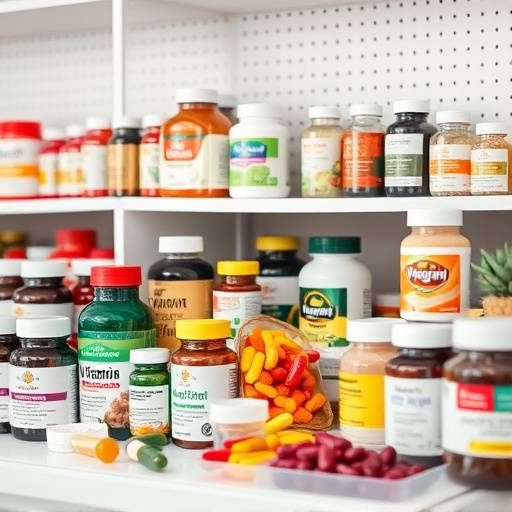
Remember, supplements are not a replacement for a healthy diet, but rather a complement to it. Always prioritize whole, nutrient-rich foods whenever possible.
Recipes Tailored for Senior Nutrition
NutriWell Solutions is committed to providing recipes that are easy to prepare and tailored to the unique nutritional needs of seniors. Here are a few examples:
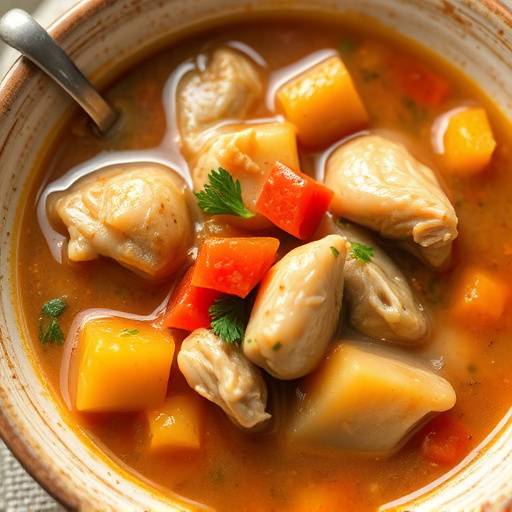
Slow Cooker Chicken Stew
This hearty stew is packed with protein and vegetables, and it's easy to prepare in a slow cooker. This makes it perfect for seniors with limited mobility or energy.
Ingredients: Chicken breast, carrots, potatoes, celery, onion, chicken broth, herbs.
Instructions: Combine all ingredients in a slow cooker and cook on low for 6-8 hours.
Baked Salmon with Lemon and Dill
Salmon is a great source of omega-3 fatty acids and protein. Baking it with lemon and dill adds flavor without adding salt.
Ingredients: Salmon fillet, lemon, dill, olive oil.
Instructions: Place salmon on a baking sheet, drizzle with olive oil, and top with lemon slices and dill. Bake at 375°F for 12-15 minutes.
Fruit and Yogurt Parfait
This simple parfait is a great source of calcium, protein, and fiber. It's also a refreshing and easy-to-eat snack or dessert.
Ingredients: Yogurt, berries, granola.
Instructions: Layer yogurt, berries, and granola in a glass or bowl.

The Role of Hydration in Senior Health
Dehydration is a significant concern for older adults, as the sensation of thirst often diminishes with age. Adequate hydration is vital for maintaining bodily functions, preventing constipation, supporting kidney health, and ensuring cognitive clarity. NutriWell Solutions emphasizes the importance of regular fluid intake throughout the day. Encourage seniors to drink water, herbal teas, diluted juices, and to consume water-rich foods like fruits and vegetables. Be mindful of conditions or medications that might affect fluid balance and adjust intake accordingly.
Easy ways to encourage hydration include keeping a water bottle nearby, setting reminders to drink, and offering hydrating snacks like watermelon or cucumber slices.